
During normal riding, it’s completely normal for a motorcycle engine to heat up. However, if the temperature rises unusually high—along with a burnt smell or even sudden stalling—these are warning signs you shouldn’t ignore. Overheating is more than inconvenient; it can cause serious damage and shorten engine life.
In this article, we’ll explore the top 5 common causes behind engine overheating and how to fix them effectively—so you can protect your trusted “companion” on every journey.

Explaining motorcycle engine overheating
When running, a motorcycle engine generates heat from fuel combustion and friction between moving parts. Under normal conditions, the cooling system (air- or liquid-cooled) keeps temperature in check so the engine operates smoothly.
If the engine temperature exceeds safe limits and the cooling system can’t dissipate heat quickly enough, the bike will overheat. Many riders underestimate this issue, but left untreated it can lead to serious damage.
Signs your motorcycle is overheating
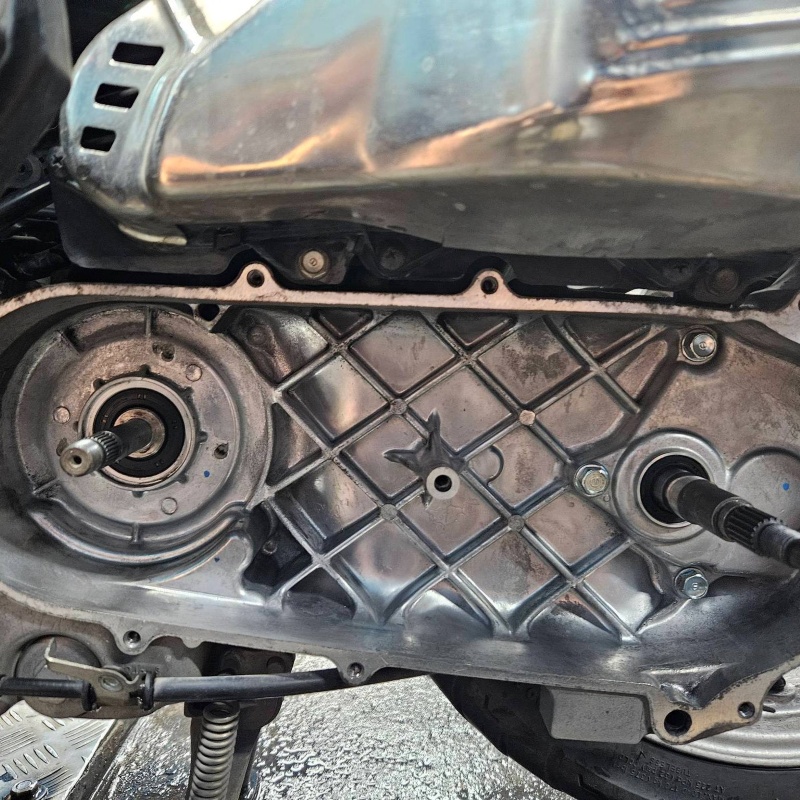
Strong heat radiating from the engine case
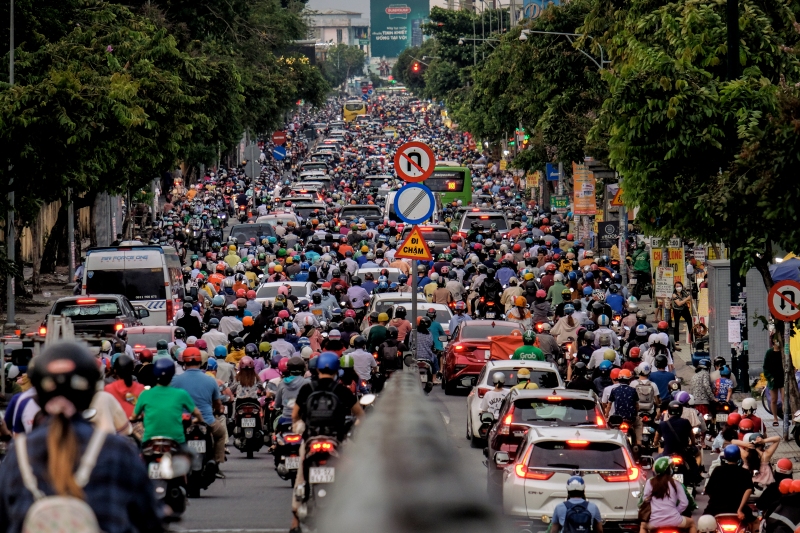
At red lights or in slow, congested city traffic—especially on hot days—you may feel heat radiating from the engine case.
Some warmth is normal, but during overheating the temperature rises noticeably, causing an intense, uncomfortable heat.
Burnt smell
A smell like burning plastic or scorched oil often appears when engine temperatures get too high. Excess heat can soften nearby plastic or rubber parts, or cause oil to degrade and burn, producing a harsh odor.
Loss of power
When the engine overheats, combustion efficiency drops. You’ll feel sluggish acceleration—the throttle opens but the bike doesn’t “pick up” like before.
Unusual engine noises
Overheating can thin the oil and reduce lubrication, causing metal parts to rub directly and create rattling, knocking, or squealing sounds.
Why overheating must be fixed immediately
Many think engine heat is “normal,” but allowing overheating to continue can lead to:
Accelerated wear of internal components
Technicians often find rapid wear on pistons, cylinders, valves, and bearings. Excess heat thins the oil and reduces lubrication, increasing metal-to-metal friction.
Risk of piston seizure
When temperatures exceed material limits, the piston can expand and seize inside the cylinder.
Cracked or warped engine case
Metal exposed to extreme heat and then cooled abruptly expands and contracts irregularly, causing cracks or warping. This is why you should never pour cold water on a hot engine to “cool it down.”
Higher fuel consumption
An overheated engine burns fuel less efficiently, leading to abnormal fuel usage.
Expensive repairs
Heat-related damage is often severe and may require part replacement or a major overhaul. Severely worn or deformed pistons, cylinders, valves, or bearings may need full replacement—and in some cases, a complete engine rebuild that costs significant time and money.
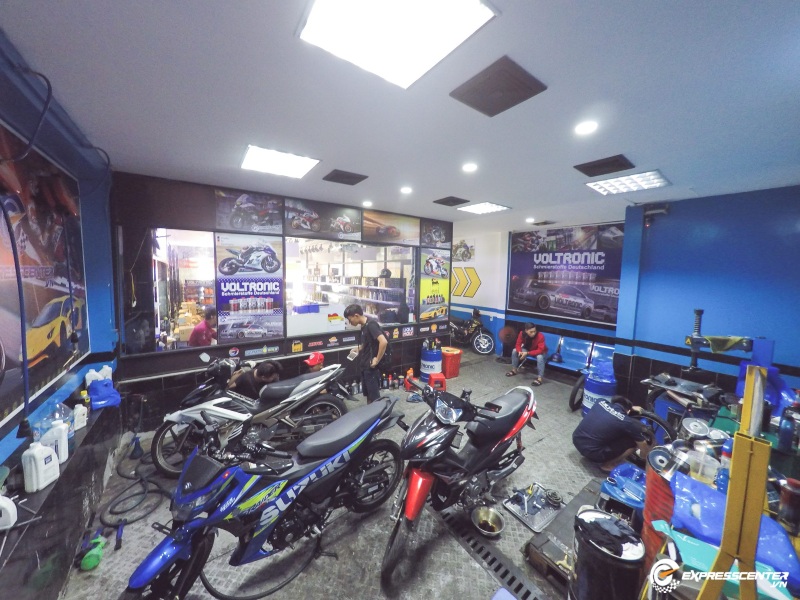
Top 5 reasons your motorcycle overheats
Low or depleted coolant
Most modern motorcycles use liquid coolant to stabilize engine temperature, yet many riders forget to check it regularly, allowing levels to drop unnoticed.
Coolant transfers heat away from the engine, keeping it smooth and preventing overheating. If it runs low, the engine overheats quickly, performance drops, and severe cases can crack the engine case.
Coolant isn’t changed often, but it must be topped up in time to avoid damage. Check and top up at every service, and replace it roughly every 12,000 km to maintain optimal cooling.
How to fix:
- Routinely inspect the radiator, hoses, and cooling fan to spot leaks or faults early.
- Top up coolant on schedule—typically every 5,000 – 10,000 km or per the manufacturer’s guidance.
- Use genuine or high-quality coolant that meets your bike’s specifications for best heat dissipation.
>> Read more: What causes coolant to boil?
Poor-quality engine oil
Engine oil is critical for smooth, long-lasting operation. Skipping oil changes, running low, degraded oil, or using counterfeit/low-grade oil reduces lubrication. Metal parts then rub directly, generating excess heat and accelerating wear.
To avoid this, change oil regularly at trusted shops that use genuine products, such as the Express Center or authorized dealers/distributors.
How to fix:
- Follow the manufacturer’s interval (every 1,500 – 2,500 km). If you ride long distances, carry heavy loads, or face harsh weather, shorten the interval.
- Choose the right, high-quality oil: use genuine products with proper viscosity (SAE) and specifications (API, JASO) for your engine.
- Change oil at reputable centers or authorized shops to avoid counterfeit oil.
Cooling fan or radiator issues
The cooling fan pushes air through the radiator to lower coolant temperature before it returns to the engine. If the fan fails or the radiator is clogged with debris, airflow drops and coolant can’t shed heat—engine temperature rises quickly, especially at low speed or idle.
How to fix:
- Clean the radiator regularly: remove dirt and deposits inside and out to keep airflow unobstructed and cooling efficient.
- Replace a faulty fan: if it doesn’t spin, spins weakly, or makes unusual noise, replace it promptly.
>> Read more: Extend engine life: how to clean the radiator and replace coolant
Clogged air filter
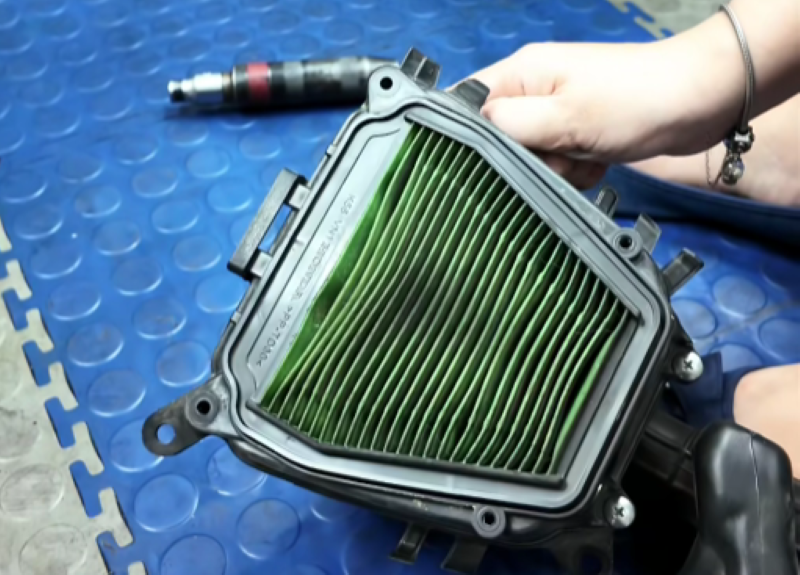
The air filter removes dust and debris before air enters the combustion chamber. When it’s dirty or clogged, airflow drops, combustion becomes incomplete, carbon deposits increase, and excess heat builds up—causing the engine to overheat.
How to fix:
- Inspect and clean regularly: for manual bikes, every 4,000 – 6,000 km; for scooters, about 6,000 – 8,000 km. In dusty environments, clean sooner.
- Replace the filter: typically every 12,000 – 16,000 km or per the manufacturer. A fresh filter optimizes combustion, reduces overheating risk, and improves fuel economy.
Engine overworked
Continuous long-distance trips, overloading cargo, or repeated hard acceleration from stoplights all put heavy stress on the engine.
Sustained high load produces more heat than the cooling system can shed, leading to overheating, performance loss, and potential damage if repeated. On long rides or when carrying loads, give the engine breaks, keep throttle steady, and avoid sudden bursts to protect it.
How to fix:
- Maintain steady speed: avoid abrupt throttle changes that spike heat and strain the engine.
- Give the engine short rests on long trips: in hot weather, stop 5 – 10 minutes every 20 – 50 km.
- Don’t overload: follow the manufacturer’s load limits to prevent overheating, premature wear, and excess fuel use.
Overheating not only hurts performance but also risks severe damage if ignored. With the 5 causes above from Voltronic, you can prevent problems by maintaining your bike properly, scheduling regular checks, and using quality care products.
UNIDRAGON GROUP
Address: 2nd Floor, 108 Nguyen Thanh Son, Cat Lai Ward, Ho Chi Minh City
Website: www.unidgroup.vn
Email: harrytran@unidragon.vn / tranquanghuy.eni@gmail.com
Phone: +84 91 773 3543