
The erratic weather with prolonged heat waves not only forces the car’s air conditioning to work at maximum capacity but also pushes engine temperatures higher, affecting performance and durability.
With the ability to regulate engine temperature, prevent overheating and freezing, while also protecting cooling system components from corrosion and damage – coolant acts as a “silent companion” that helps stabilize engine temperature under all operating conditions.
However, after a period of use, many cars encounter coolant boiling, causing the cooling system to lose its heat dissipation function and even leading to engine damage if not handled promptly. So, what causes this situation and how can it be fixed? Let’s explore in detail with Voltronic Vietnam in the article below.

1. what is coolant?
Coolant is a specialized fluid used in the cooling system of cars and motorcycles. Its role is to absorb the heat generated during engine operation and dissipate it outside, keeping the engine at a safe operating temperature.
The technologies commonly applied in coolant production include IAT, OAT, HOAT… providing anti-corrosion, anti-boiling, anti-freezing, anti-foaming, and anti-rust properties. Thanks to its special formulation, coolant typically has a high boiling point, a low freezing point, and good heat transfer capability, helping prevent engines from overheating in summer and freezing in winter.
Each vehicle and engine type is compatible with specific coolant technologies. Using the correct type of coolant and replacing it periodically will help ensure stable engine operation and extend the vehicle’s lifespan.
2. causes of coolant boiling
insufficient coolant
The main reason usually comes from a degraded cooling system or improper maintenance. Over time, components like the radiator, radiator cap, or rubber hose joints may wear out, causing coolant leaks. In addition, failure to check and refill regularly will cause coolant to gradually run out, reducing cooling efficiency and increasing the risk of engine issues.
radiator fan not working
The radiator fan helps control temperature when the vehicle moves slowly, idles for long periods, or in extreme heat. When functioning properly, it assists the radiator in effective cooling.
If the fan stops due to a fault, broken sensor, damaged relay, or blown fuse, the coolant will not be cooled effectively. As a result, heat accumulates, coolant begins to boil, and the engine overheats. If not detected in time, this can lead to serious internal engine damage.
clogged or dirty radiator
A clogged radiator often comes from not cleaning and replacing coolant regularly. Using plain water or low-quality coolant causes protective additives to break down, combining with dirt, metal particles, and debris inside the engine to form stubborn deposits. These deposits block radiator tubes, preventing coolant flow, reducing cooling efficiency, and making the engine unstable.
faulty thermostat
The thermostat regulates coolant flow based on engine temperature. When it fails, coolant cannot circulate to the radiator for cooling, causing the engine to heat up rapidly. If not repaired, this leads to boiling coolant, overheating, and severe damage such as blown head gaskets or warped cylinder heads.
faulty water pump
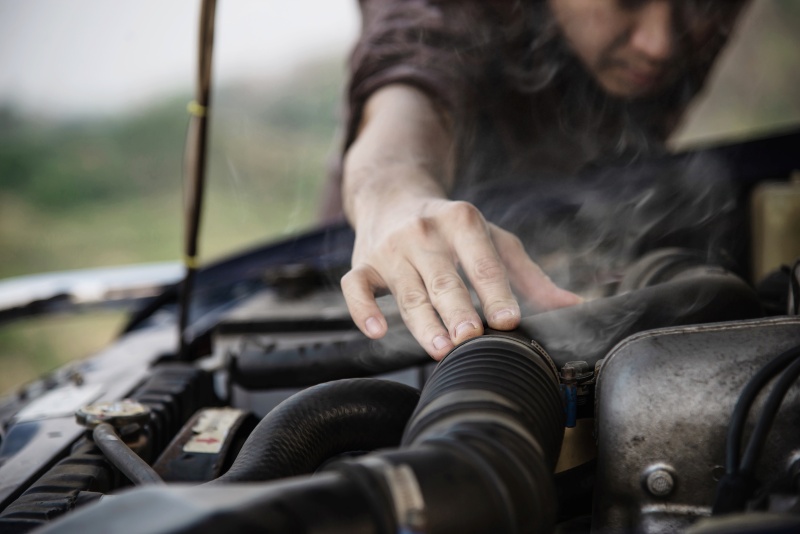
The water pump circulates coolant through the engine and radiator. If the pump blades wear, shaft breaks, belt snaps, or the pump seizes, circulation is disrupted. Heat builds up quickly, causing the coolant to boil and the engine temperature to spike abnormally.
using poor-quality coolant or incorrect mix ratio
Using low-quality coolant or mixing at the wrong ratio reduces system performance. Poor-quality products may cause corrosion, rust, deposits, and blocked circulation. Incorrect mixing lowers the boiling point, making the coolant boil earlier, leading to overheating, warped cylinder heads, or engine seizure.
To ensure efficiency, always use genuine coolant and follow the manufacturer’s mixing instructions. Regular replacement is also essential to keep the engine running “cool” and durable.
3. damages caused by boiling coolant
melted gaskets, damaged cylinder head
Prolonged overheating burns or warps the head gasket, leading to leaks and reduced combustion pressure, directly affecting performance.
piston warping or cracked cylinder head
Excessive heat causes pistons to expand and seize in the cylinder, while the cylinder head may warp or crack under continuous pressure.
increased fuel consumption
When overheating, the ECU injects more fuel to lower engine temperature, wasting fuel and reducing performance.
reduced engine lifespan
Running an engine at high temperatures accelerates wear, instability, and failure of internal components.
4. how to prevent coolant boiling
check and refill coolant regularly
Inspect every 1,000–2,000 km or before long trips. Top up if levels drop to avoid overheating.
use quality coolant, correct ratio
Always use reputable brands, with proper anti-corrosion and anti-boiling additives. Mix according to manufacturer’s recommendations.
clean radiator, replace thermostat when necessary
Clean radiators periodically to remove deposits. Replace the thermostat if stuck or faulty.
inspect cooling fan
Check fan operation regularly to ensure consistent engine cooling in traffic or at idle.
5. how to fix coolant boiling
precautions when refilling coolant
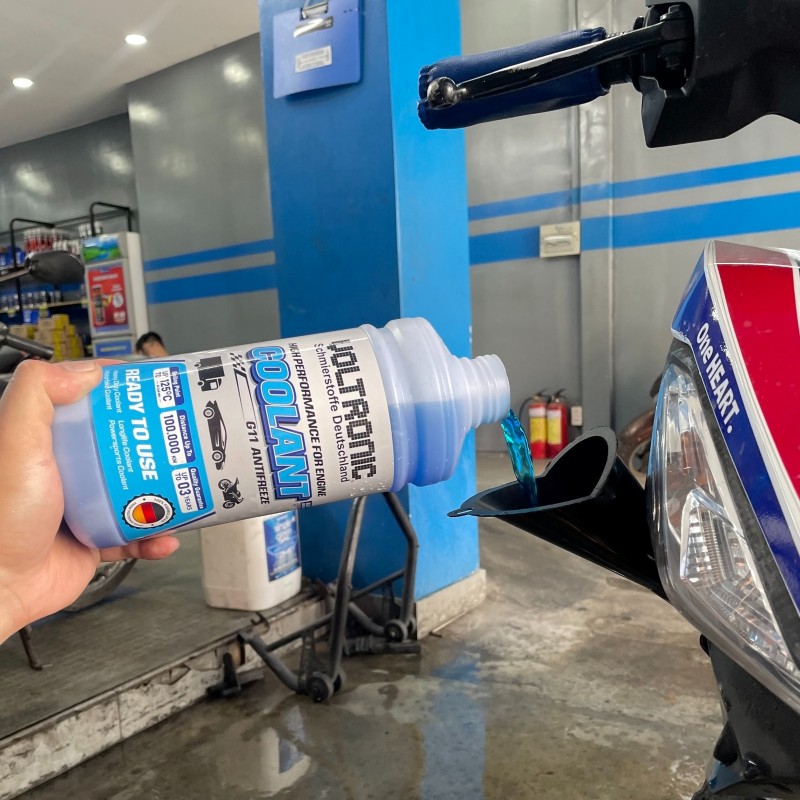
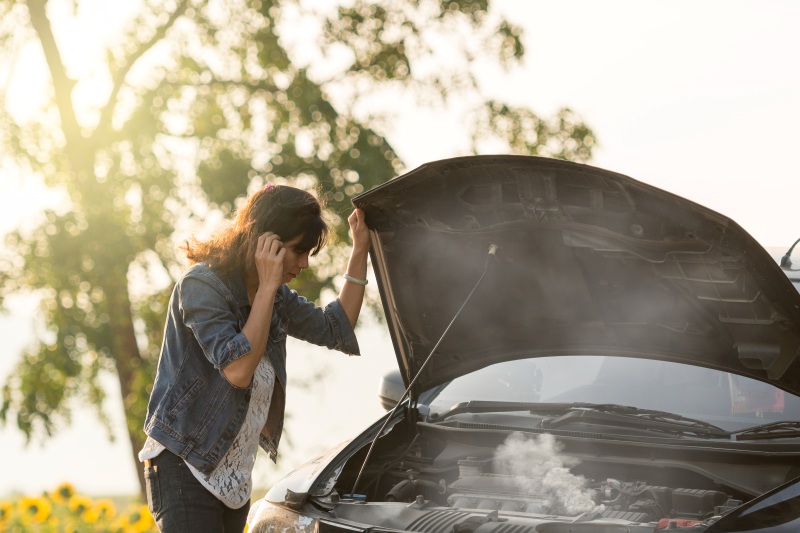
If boiling occurs, stop in a safe place, keep the engine idling to cool gradually, and open the hood. Do not shut off immediately. Once stable, refill slowly. Avoid pouring quickly or while boiling to prevent cracking or warping.
fixing specific causes
Flush the radiator and use cleaning fluid to remove deposits. Replace faulty thermostats. Seal or replace leaking hoses. Clean radiator and fans to maintain cooling efficiency.
6. recommended high-quality coolants
Voltronic High-Performance Coolant G12+ (OAT)
Ready-to-use, suitable for modern aluminum radiators, withstands up to 129°C under pressure. Protects against overheating, corrosion, and deposits.
>> Product info: Voltronic High-Performance Coolant G12+
Voltronic High-Performance Coolant G11 (IAT)
Ready-to-use with IAT technology, ideal for engines with copper, brass, iron parts. Withstands up to 125°C, prevents overheating, corrosion, and deposits.
>> Product info: Voltronic High-Performance Coolant G11
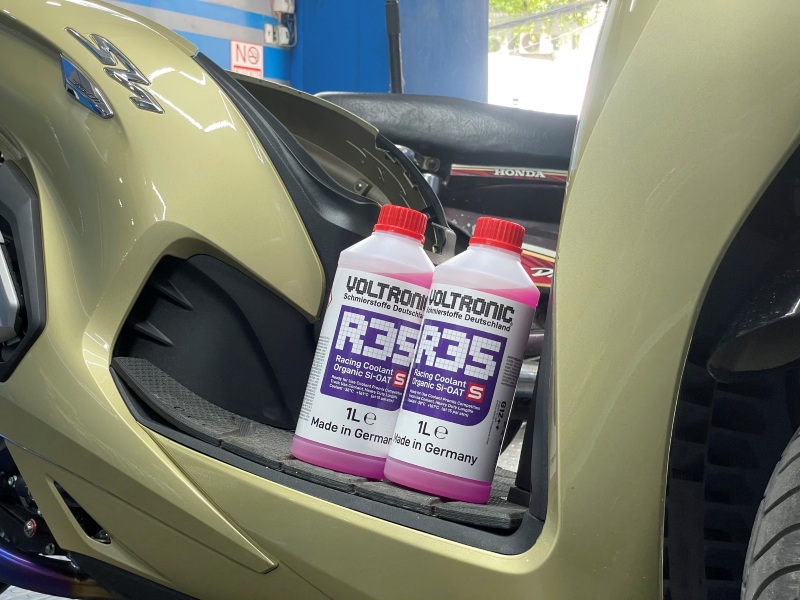
Voltronic R35-S Racing Coolant
Ready-to-use organic technology, suitable for cars, trucks, and high-performance bikes, especially for racing and touring.
>> Product info: Voltronic R35-S Racing Coolant
Voltronic R30
Concentrated coolant with antifreeze, boiling point up to 198°C, requires dilution. Designed for high-performance engines.
>> Product info: Voltronic R30
Voltronic R31
>> Product info: Voltronic R31
Coolant boiling signals cooling system problems. If not addressed, it may cause severe engine damage. Knowing the causes, prevention, and fixes is essential, especially in hot weather or stop-and-go traffic.
For durability, always use quality coolant, replace regularly, and maintain the cooling system.
UNIDRAGON GROUP
Address: 2nd Floor, 108 Nguyen Thanh Son, Cat Lai Ward, HCMC
Website: www.unidgroup.vn
Email: harrytran@unidragon.vn / tranquanghuy.eni@gmail.com
Phone: +84 91 773 3543